
-

Commode Chair
৳ 4,500
৳ 6,000
Description
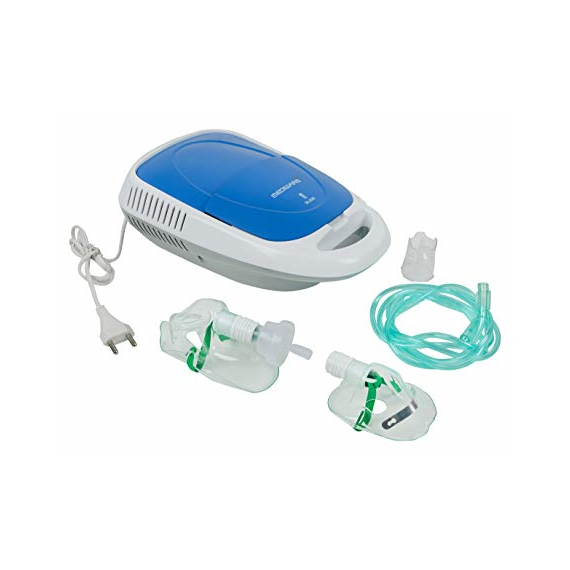
Best nebulizer machine 2021
What is a nebulizer? Learn how it works and why you might need one
If you have asthma, you know how difficult it can be to find relief from your symptoms. Perhaps more challenging is being a parent of a child with a respiratory condition. Watching your little one go through coughing spells is tough, but teaching them how and when to use an inhaler can be even harder. Fortunately, there’s an equally effective alternative that can be more comfortable and convenient than using an inhaler. Ask a doctor about using a nebulizer machine.
What is a nebulizer machine, and how does it work?
Nebulizer machines are electric devices that turn liquid medicine—like albuterol, an asthma medicine—into a fine mist. Then, the mist travels down a tube and comes out through a mouthpiece or mask. For people who need medication to reach their lungs directly, nebulizers are a great option. Nebulized therapy, which is often called a “breathing treatment,” is an especially convenient way to administer asthma medication to children or others who find it challenging to use an inhaler.
Nebulizers help treat many conditions like:
- Asthma and asthma attacks: Spasms of the airways that are usually caused by an allergic reaction.
- Chronic obstructive pulmonary disease (COPD): A chronic inflammatory lung disease that blocks airflow from the lungs.
- Cystic fibrosis: A hereditary condition in which the body makes thick, sticky mucus that clogs the lungs and pancreas.
- Other respiratory diseases and coughing spells
Nebulizers help treat these conditions by allowing prescribed medications to reach the lungs, where they’re absorbed and can quickly alleviate symptoms. Medications commonly prescribed by physicians for use in nebulizers include:
- Beta2-agonists (bronchodilators): A drug that widens the airways of the lungs to increase airflow in those with breathing problems. Short-acting beta-agonists can provide fast relief to asthma symptoms.
- Corticosteroids: A steroid that stops inflammation to prevent asthma symptoms.
- Antibiotics: Inhaled antibiotics treat airway infections.
Which is better? ||Best nebulizer machine 2021||
So, is it better to use an inhaler or a nebulizer? That depends on the individual and his or her health condition. A doctor can recommend the right device and medication on a case-by-case basis, but infants and young children will likely need to use a nebulizer instead of an inhaler.
The best way to determine if a nebulizer or inhaler is better for you is to talk with your healthcare provider. He or she can recommend what’s best for you and prescribe the proper medication to go along with your nebulizer or inhaler.
How to use a nebulizer
Using a nebulizer is easy to do if you follow some basic instructions. You should always follow the manufacturer’s instructions on how to use your nebulizer, but here’s a basic overview of how to use one correctly:
- First, make sure that the nebulizer is on a flat surface that will support its weight.
- Plug the nebulizer’s cord into an outlet.
- Thoroughly wash and dry your hands to make sure that no dirt or bacteria gets into the nebulizer.
- Remove the top of the nebulizer.
- Insert your medication into the machine’s medicine holding chamber. Some nebulizer machines do not require any additional liquid apart from the medication, which means shorter treatment times.
- Next, connect the nebulizer’s tube to the liquid container.
- Attach the mouthpiece/mask.
- Turn the nebulizer on and make sure that the medication flows properly.
- Sit up straight.
- Then, place the mask around your nose and mouth, making sure there are no gaps. If you’re using a mouthpiece, place it between your teeth and seal your lips around it.
- Take slow, deep breaths until all of the medicine is gone.
- Remove the mouthpiece/mask and turn off the nebulizer.
- Wash and dry your hands.
- Finally, clean the machine.
See Best nebulizer machine 2021


Reviews
There are no reviews yet.