
-

Commode Chair
৳ 4,500
৳ 6,000

Description
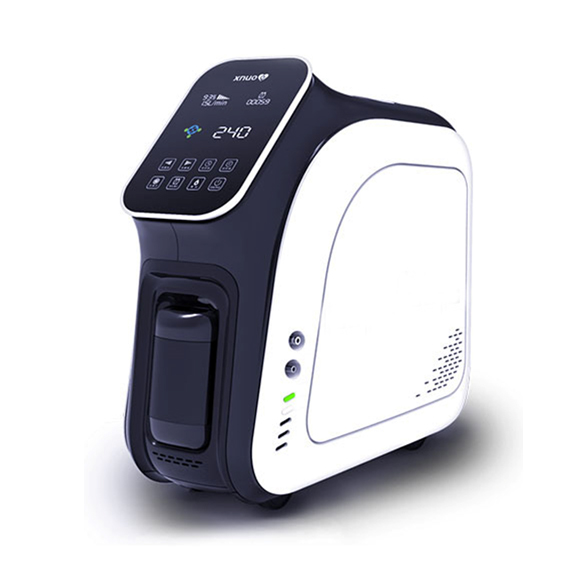
Portable oxygen concentrator
Around this time each year, friends and family all across the country come together to celebrate the Holidays. It’s the perfect time to make plans for the new year and give thanks for everything that’s happened in the past year.
One of the things we’re thankful for this year is the immense progress and innovation in the development of oxygen concentrators and other medical equipment that help respiratory patients live more productive and meaningful lives. With a portable oxygen concentrator at their side, COPD patients have been able to go places and do things they never thought possible.
However, with so many concentrators being released and so many wonderful accessories to boot, we completely understand if you missed out on something this past year. That’s why we’re going to take a look at the best portable oxygen concentrators you can purchase in the coming year.
Keep in mind that just because we feel these are the best concentrators for you to purchase in 2020, doesn’t necessarily mean they’re the best ones for your needs. There are many portable oxygen concentrators on the market and we’re committed to finding the best one for you. If you have any questions about the following concentrators, get in touch with us today.
How We Rate The Top Portable Oxygen Concentrator
As you can imagine, ranking the top portable oxygen concentrators is no easy task. As with any other device, POCs can be ranked on a number of traits, each of which may have varying degrees of importance to a COPD patient. While there will always be some degree of subjectivity to choosing a unit, we’ve compiled a list of the factors that we deem important, including:
- Weight and size
- Battery life
- Dependability
- Reputability of the manufacturer
- Ease of use
- Oxygen output
- Adaptability
Pulse Flow vs. Continuous Flow
Another important distinction to make before we get started is the difference between pulse flow and continuous flow units. A pulse flow portable oxygen concentrator is one that delivers oxygen in puffs of air called “boluses.” A bolus of oxygen is only administered when the patient is inhaling. A continuous flow unit, on the other hand, produces a constant stream of oxygen irrespective of the patient’s breathing rate.
Because these methods of oxygen delivery are so different, it’s difficult to compare pulse flow concentrators and continuous flow concentrators without dividing them into two separate categories. Pulse flow units tended to be much lighter, allowing you to carry them on your shoulder or in a bag while continuous flow units are heavier but offer more options and often much higher oxygen output.


Reviews
There are no reviews yet.